
Blog
How to get the musty smell out of books?


How to Get the Musty Smell Out of Books: A Complete Guide
Books are treasures—gateways to knowledge, stories, and history. But sometimes, they come with an unwelcome companion: a musty or unpleasant odor. Whether you’re a collector of vintage titles or just pulled an old favorite off the shelf, you might wonder how to get the musty smell out of books without damaging them.
Musty smells in books are typically caused by exposure to moisture, mold, mildew, smoke, improper storage, or even pests. Fortunately, several effective, gentle ways exist to remove unwanted odors and restore your books to a more pleasant state. In this guide, we’ll explore the best methods and preventive measures to keep your library fresh and clean.

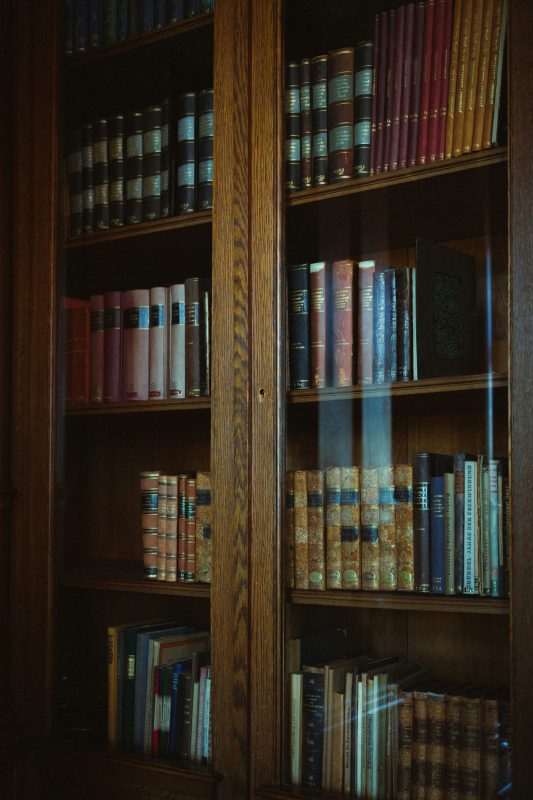
When we buy used and antique books, they often come with a musty smell because of improper storage.
Common Causes of Musty Book Smell
Understanding the root cause of the odor is the first step toward solving the problem. Here are the most frequent culprits:
- Mold and Mildew: Caused by excess moisture and poor ventilation.
- Tobacco Smoke: Books stored near smoking areas absorb the smell over time.
- Dust and Pests: Accumulated dust, dead insects, or rodent activity can leave behind foul odors.
- Improper Storage: Storing books in basements, attics, or humid areas can lead to musty smells.
Step-by-Step Guide: How to Get the Musty Smell Out of Books
Let’s break down the proven methods for removing unpleasant book odors. These techniques are safe for most books, including rare and antique ones.
1. Air Out the Book
Start with the simplest and safest method:
- Open the book and fan out the pages.
- Place it in a dry, well-ventilated space for several days.
- Avoid direct sunlight unless slight discoloration is acceptable.
This alone can significantly reduce minor odors.
2. Use Absorbing Agents
If the smell persists, consider using odor-absorbing materials:
- Place the book in a plastic container or bin with:
- Baking soda (in a breathable pouch or bowl)
- Activated charcoal (used in aquarium filters)
- Unscented clay kitty litter
- Cedar chips (used sparingly)
- Ensure the book does not touch the agent directly.
- Seal the container and leave it for 3–7 days.
- Check periodically and replace the absorbing agent if needed.
This method is highly effective for musty, smoky, or unidentified odors.
3. Handle Mold Carefully
Mold is a common issue, especially in antique books. If the mold is inactive (dry and powdery), follow these steps recommended by the Library of Congress:
- Fan the pages and allow exposure to air at 35–55% humidity.
- Place the book in a sealed container with activated charcoal or baking soda.
- Avoid direct contact between the book and the absorbing substance.
- Inspect regularly for mold regrowth.
If the mold is active (damp, smelly, or spreading), you’ll need to sterilize the book before deodorizing it. In such cases, professional conservation may be necessary.
4. Sunlight and Heat Treatments (Use with Caution)
Sunlight and warmth can help eliminate odors, but they carry risks:
- Brief exposure to sunlight may help reduce mold and mustiness.
- Use a hairdryer on a low setting from a distance to warm the pages gently.
Important: Overexposure can cause fading, yellowing, or paper brittleness. Always monitor carefully.
5. Freezer Method
Used by preservation experts, this method is ideal for:
- Eliminating odors
- Killing bookworms and mold spores
Steps:
- Place the book in a ziplock bag or wrap in paper towels.
- Seal the book in an airtight bag to avoid condensation.
- Leave it in the freezer for at least 48 hours.
After thawing, let the book air out before using other methods.
6. Use a Newspaper for Extra Absorption
Another effective tip:
- Crumple up a newspaper and place it with the book in a sealed container.
- A newspaper helps absorb lingering odors.
- Replace the paper every few days.
This method works well in combination with other techniques.
What to Avoid When Deodorizing Books
When learning how to get the musty smell out of books, it’s just as important to know what not to do:
- Avoid air fresheners and perfumes: These mask the smell and may leave stains or chemical residues.
- Don’t microwave or oven-dry books: This can cause irreparable damage or even fire.
- Don’t submerge books in any cleaning solution: Moisture can lead to warping or mold growth.
When to Call a Professional
If the book is rare, highly valuable, or extremely fragile, it’s wise to consult a professional conservator. Institutions like The American Institute for Conservation (AIC) offer directories of qualified experts.
Additionally, if you notice:
- Spreading mold
- Severe warping or insect damage
- Ink bleeding or fragile bindings
…it’s best to leave treatment to the experts. Feel free to contact us for free advice.
Preventing Musty Smells in the Future

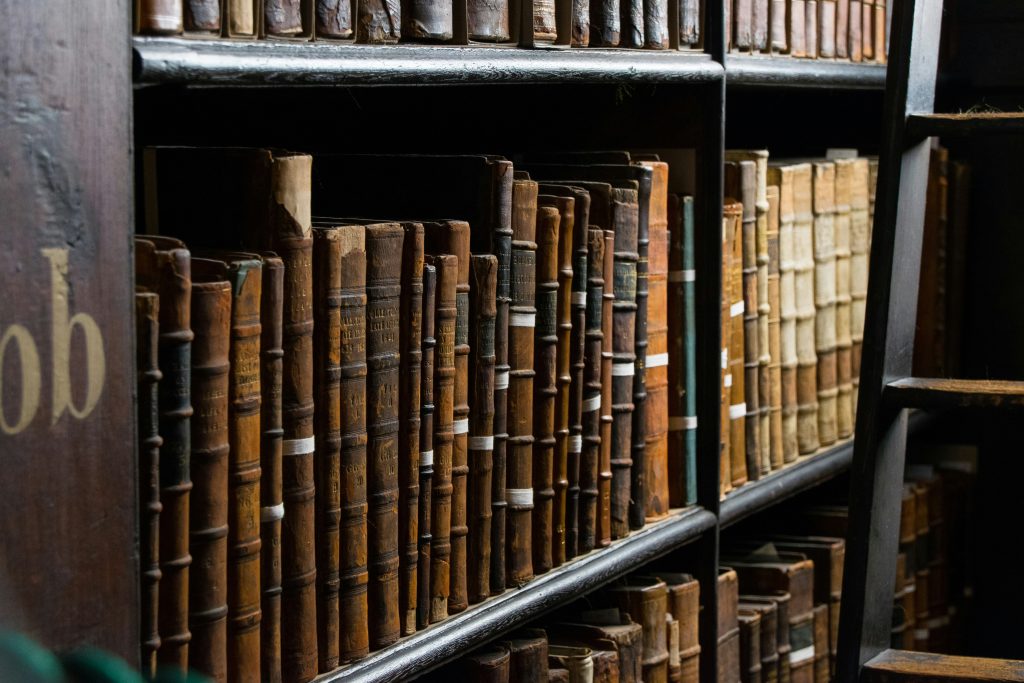
Storing books in these types of shelves is the best way to prevent any damage or odor in the futur.
Preservation is key. Here’s how to keep your books fresh going forward:
- Store in a climate-controlled space: Ideal humidity is 40–50%; temperature around 65–70°F.
- Use bookshelves that allow airflow: Avoid pressing books too tightly together.
- Avoid plastic containers for long-term storage: They can trap moisture.
- Dust books regularly: Use a soft brush or cloth.
-
Inspect occasionally for pests or mold.
Final Thoughts
Getting rid of unpleasant odors in books doesn’t have to be difficult. By using the right combination of airing, absorbing agents, and gentle handling, you can breathe new life into your beloved volumes. Knowing how to get the musty smell out of books not only helps maintain your library but also preserves the value and enjoyment of printed literature.
Thanks for reading! Stay tuned for more articles.