
Blog
Antique Books Collecting – Tips and Tricks

How to Start Collecting Antique Books
If you’ve ever held a beautifully aged book in your hands, felt the texture of its old paper, or admired the delicate details of its binding, then you’ve already experienced part of the joy of book collecting. But when it comes to forming an antique book collection, the first question often is: Which books should I collect?
This beginner’s guide will help you understand how to start collecting rare and antique books, identify valuable editions, set your collecting goals, and enjoy the process without getting overwhelmed. Whether you’re a literary enthusiast or someone exploring book collecting as an investment, this article will walk you through the essentials.
Start with Books You Love
The best advice for new collectors is simple: start with books you genuinely love. You may admire many genres—fiction, poetry, philosophy, history—and that’s perfectly fine. The key is to find a focus.
Ask yourself:
-
Is there an author whose work has had a lasting impact on you?
-
Are there books you loved as a child or young adult?
-
Do you feel drawn to a particular literary movement or historical period?
By narrowing your interests, you give your collection a cohesive theme. This also makes it easier to learn about specific markets and values, and to spot rare finds when you see them.
Collecting tip: Focus on first editions, signed copies, or unique printings of your favorite books. These categories often hold the highest value and historical interest.
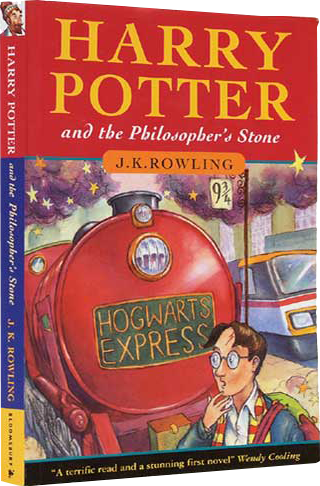
1st English edition of Harry Potter and the Philosopher’s Stone. Excellent example of a rare collectible book.
Understanding What Makes a Book Rare
Not every old book is valuable. A book becomes “rare” not just because of its age but due to a combination of factors:
-
Limited print runs or suppressed editions
-
First editions, especially if later editions are more common
-
Signed or inscribed copies, particularly from reclusive or iconic authors
-
Books in excellent condition or those with original dust jackets
-
Historical significance—e.g., books that sparked controversy or won literary awards
Doing a bit of research will help you understand what makes a particular book rare. For instance, knowing that a certain novel had a first print run of only 500 copies and very few survive in good condition makes that book highly collectible.
Can You Make Money Collecting Rare Books?
Yes, it’s possible to earn money from collecting rare books, but it shouldn’t be your primary motivation, at least not in the beginning.
Profitable book collecting requires:
-
A deep understanding of the rare book market
-
Keen insight into which titles will appreciate over time
-
Patience, research, and connections with trusted dealers
Take, for example, the 1997 first edition of Harry Potter and the Philosopher’s Stone* by J.K. Rowling. A copy in pristine condition with a dust jacket can now fetch upwards of $35,000. Similarly, a signed first edition of The Catcher in the Rye* by J.D. Salinger is valued at around $50,000 due to the author’s reclusive nature and the book’s cultural importance.
On the other hand, some signed books may be relatively inexpensive. Author Salman Rushdie, for example, is a prolific signer, so his autographed works typically start at around $15.
Where to Find Rare and Antique Books
With today’s technology, finding rare books is easier than ever, but also more competitive. Here are the top places to look:
1. Online Rare Book Stores
Websites like AbeBooks, Biblio, and Alibris specialize in antiquarian books. Many reputable sellers list signed and first edition copies with detailed descriptions. Lea
2. Independent Rare Book Dealers
Develop relationships with local book dealers. They often have insider knowledge and can notify you when something special comes in.
3. Book Fairs and Auctions
Antiquarian book fairs are excellent for discovering treasures and networking. Online auction houses such as Heritage Auctions and Christie’s also feature rare book sales.
4. Flea Markets and Charity Shops
Surprisingly, many rare books are found in unexpected places—thrift stores, garage sales, and estate sales. With experience, you’ll learn how to identify undervalued gems. Learn more about where to buy books online in our other article. 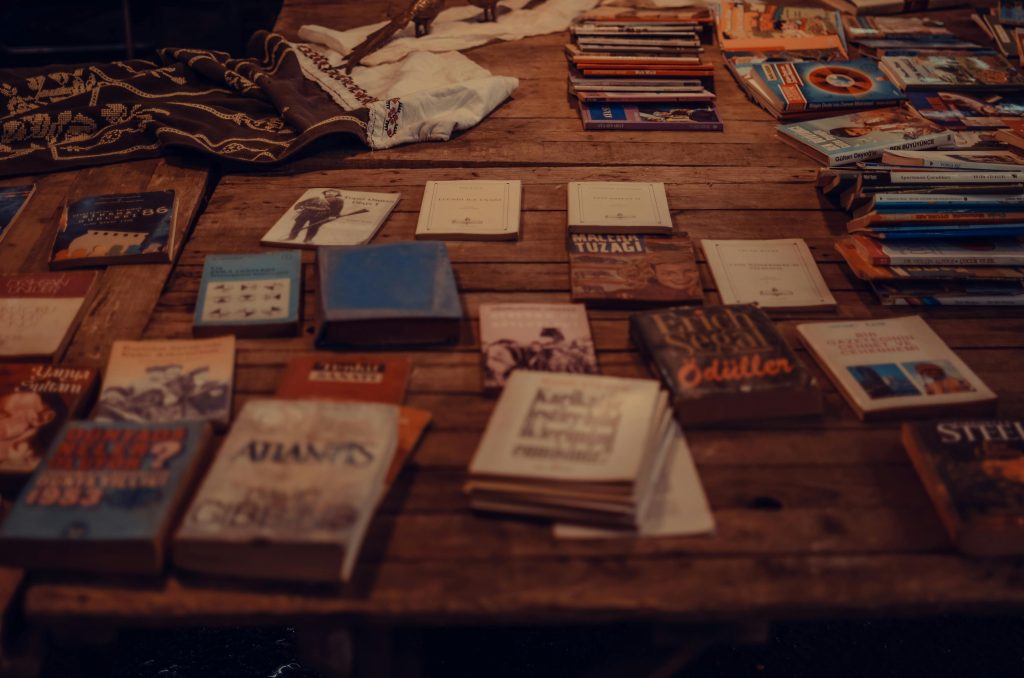
How Much Should You Spend on Collecting Antique Books?
The cost of building an antique book collection varies dramatically. While it’s possible to spend $50,000 or more on a single title, you can also start collecting with a modest budget.
Set a budget and stick to it. If funds are limited, focus on:
-
Lesser-known works by major authors
-
Books in good (but not mint) condition
-
Library discards or undervalued listings online
Pro tip: Learn how to assess book condition, identify first editions, and spot misleading listings. Over time, you’ll develop a collector’s eye.
Key Factors That Determine Book Value
Two of the most important elements in rare book collecting are:
1. Condition
A first edition that’s been gently read is far more valuable than one with loose pages, staining, or missing covers. Small differences—like a price-clipped dust jacket—can lower a book’s value significantly.
2. Dust Jackets
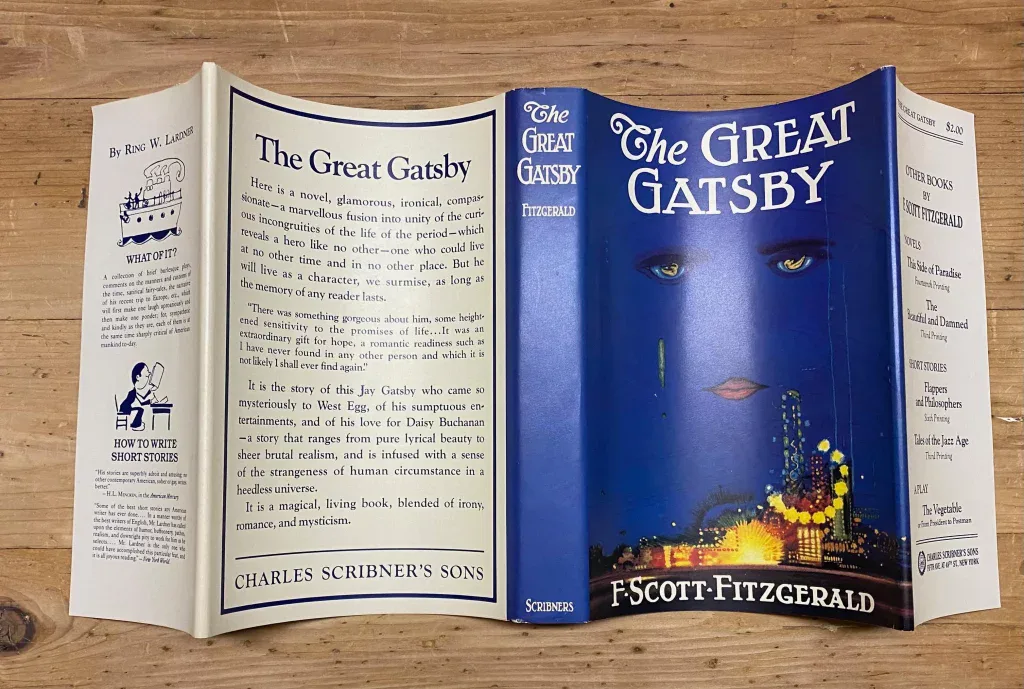
For modern first editions, the dust jacket is often more valuable than the book itself. In the early 20th century, most owners discarded these wrappers, making surviving examples rare. For instance, a first edition of The Great Gatsby by F. Scott Fitzgerald:
-
With dust jacket: Over $100,000
Without dust jacket: Under $10,000
Signed Books: The Power of the Signature
A signed book, especially one with a personal inscription, can significantly boost a book’s appeal and price. The signature’s value depends on:
- The author’s fame
- Rarity of signed copies
- Timing of the signature (e.g., pre-publication, during key historical moments)
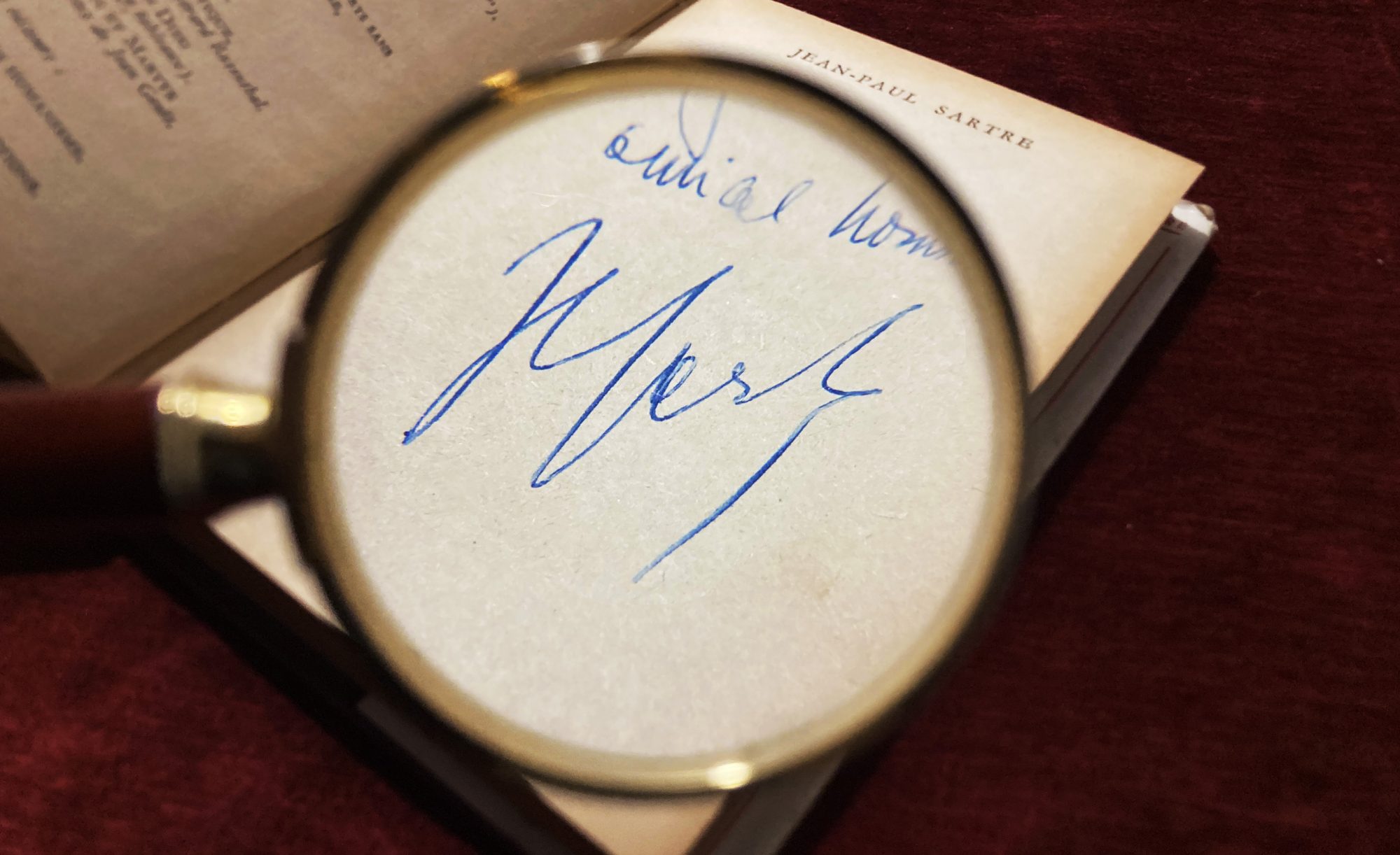
For instance, a signed copy of Jean-Paul Sartre’s La Nausée from the early 1950s, dedicated to one of his muses, is both a literary artifact and a collectible of historical significance.
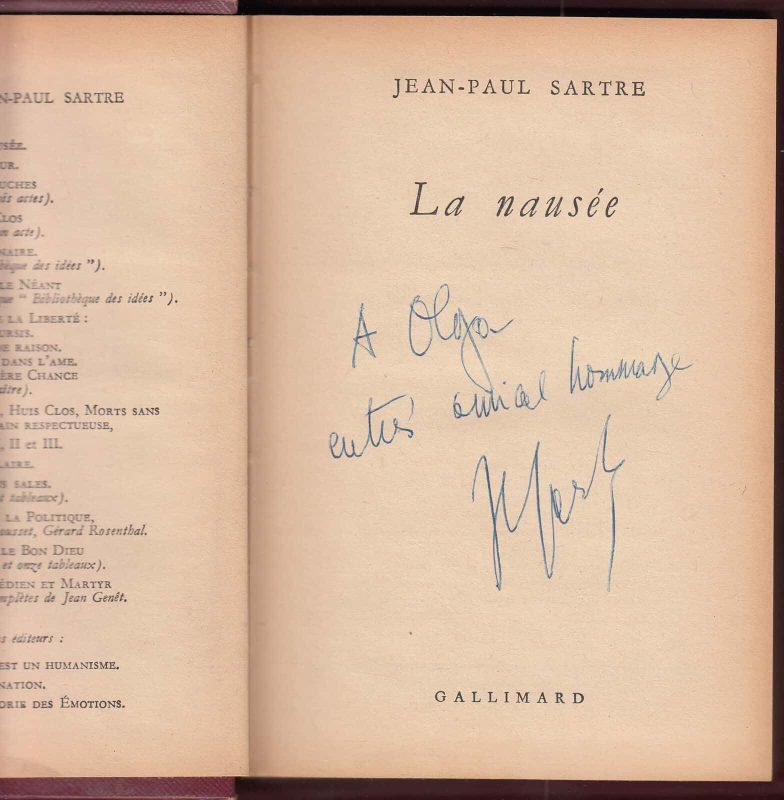
The signed copy of Jean Paul Sartre’s Nausea with the author’s dedication.
The Importance of Provenance in Rare Book Collecting
One often overlooked but highly valuable aspect of antique book collecting is provenance—the history of ownership behind a particular copy. A book once owned by a notable figure, a famous collector, or linked to a historical event can significantly increase in value. For example, a first edition that belonged to a known literary critic or was housed in a prestigious private library often carries more prestige than an identical copy with an unknown past. Provenance can also help authenticate a signature, verify a book’s historical relevance, and provide fascinating context that deepens your connection to the item. Whenever possible, ask for documentation, bookplates, or ownership inscriptions to trace a book’s origin. Collectors and buyers alike value the story behind the book almost as much as the book itself.
Final Thoughts: The Joy of Book Collecting
Antique book collecting is more than a hobby—it’s a way of preserving literary history, connecting with the past, and enjoying the tangible beauty of physical books. Whether you’re collecting for profit, passion, or both, remember that knowledge, patience, and love for literature are your greatest assets.